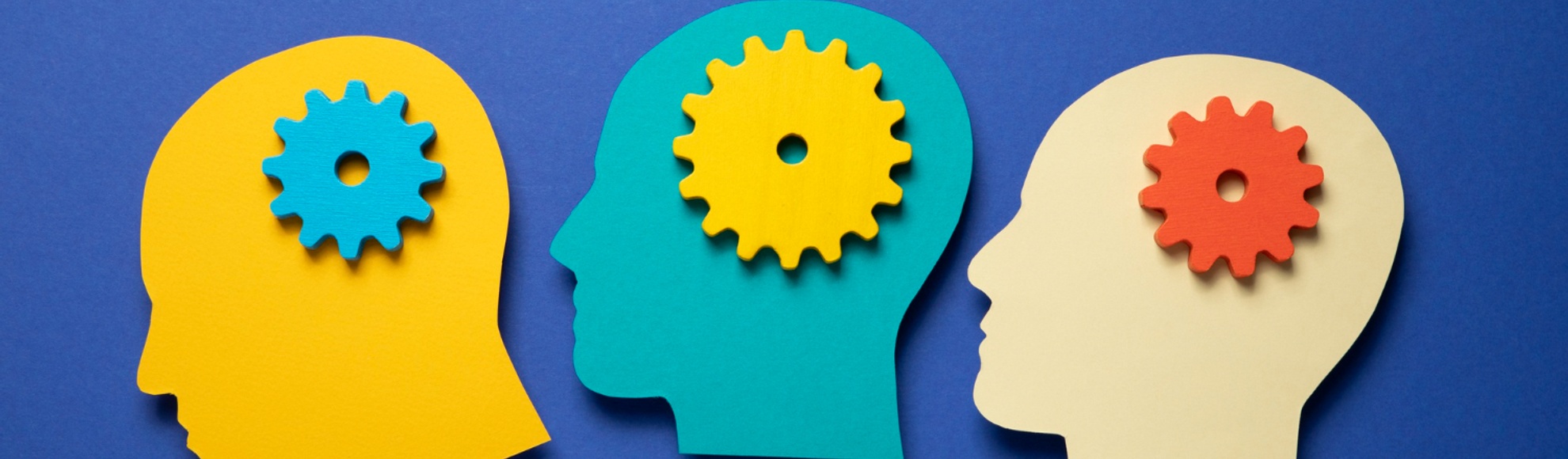
Neurodiversity Celebration Week (16–20 March 2026) is a global initiative designed to transform perceptions of neurodivergent individuals and celebrate the many ways people think, learn and communicate. The campaign, founded in 2018, continues to grow across workplaces, universities, and organisations worldwide, promoting a shift from awareness to meaningful, sustained inclusion.
For 2026, the theme leans even more strongly into action; encouraging leaders to embed equitable systems, universal design, and inclusive practices throughout the employee journey, rather than limiting the conversation to a single awareness week.
At its core, neurodiversity recognises that neurological differences - such as autism, ADHD, dyslexia, dyspraxia and dyscalculia - are natural variations in the human brain. Around 15–22% of the population is neurodivergent. When organisations move beyond outdated deficit‑based narratives and instead value differences as strengths, they unlock more innovative, resilient and high‑performing teams.
The strengths of neurodivergent talent
While neurodivergence is often discussed through the lens of support needs, there is increasing recognition -across research, workplaces, and lived‑experience communities - of the unique strengths neurodivergent individuals contribute when given the right environment to thrive. Neurodiversity Celebration Week specifically encourages organisations to recognise these strengths and elevate them.
Here are some of the most valuable capabilities neurodivergent professionals bring to teams:
1. Exceptional focus and deep expertise
Many neurodivergent individuals are able to engage in deep, sustained focus on areas of interest—an ability linked to high‑quality output and specialist expertise. Autistic professionals, for example, often excel in pattern recognition, detailed analysis and long‑term concentration.
2. Creativity and out‑of‑the‑box thinking
Different cognitive wiring often means different pathways to problem‑solving. ADHD and dyslexic thinkers, for instance, are frequently associated with high creativity, innovation, and the ability to generate fresh ideas and unconventional solutions. Neurodiversity Week 2026 reflects this by encouraging environments that make space for different communication and thinking styles.
3. Precision, accuracy and strong observational skills
Many neurodivergent people demonstrate exceptional attention to detail, often noticing inconsistencies or errors others overlook. In high‑regulation sectors such as privacy, legal, compliance and risk management, such skills are invaluable.
4. Rigorous integrity and reliability
Workplaces often report that neurodivergent employees exhibit strong loyalty, honesty and a commitment to producing high‑quality work. Autistic professionals especially may bring a strong sense of fairness, rule consistency and ethical clarity (which are, of course, core attributes in governance and compliance‑driven environments).
5. Systems thinking and analytical problem‑solving
Because neurodivergent brains process information differently, they may approach complex challenges from unique angles. In privacy and data governance - fields that demand structured reasoning, technical understanding and risk‑based decision‑making - this cognitive diversity is a substantial asset.
From Awareness to Action
Neurodiversity Celebration Week 2026 urges organisations not only to talk about inclusion but to build it into their systems, embedding practices that help neurodivergent employees succeed.
A "neuroinclusive" workplace is one where:
- Communication is clear and flexible.
- Work environments allow for sensory needs.
- Managers receive training to support diverse working styles.
- Recruitment and assessment processes measure ability (and not conformity).
- Psychological safety empowers people to disclose what they need to perform at their best.
True inclusion means adapting environments, not asking individuals to fit systems designed for only one type of mind.
A competitive advantage
For employers navigating increasingly skills‑driven markets - especially in technical and analytical fields - embracing neurodiversity is a competitive advantage. Diverse cognitive profiles drive better problem‑solving and more robust thinking across teams. Organisations taking the lead in this space are seeing improvements in innovation, culture, retention and overall team resilience.
At Leonid, we regularly partner with organisations seeking to build inclusive hiring strategies that unlock these strengths. Neurodivergent candidates are a vital part of the talent ecosystem.
Our commitment at Leonid
As specialists in global compliance, legal, and risk recruitment, Leonid champions diversity of thought in every search we conduct. We are committed to helping clients create recruitment processes and team structures where neurodivergent professionals can thrive.